How clinical trials are changing lives
News
How clinical trials are changing lives
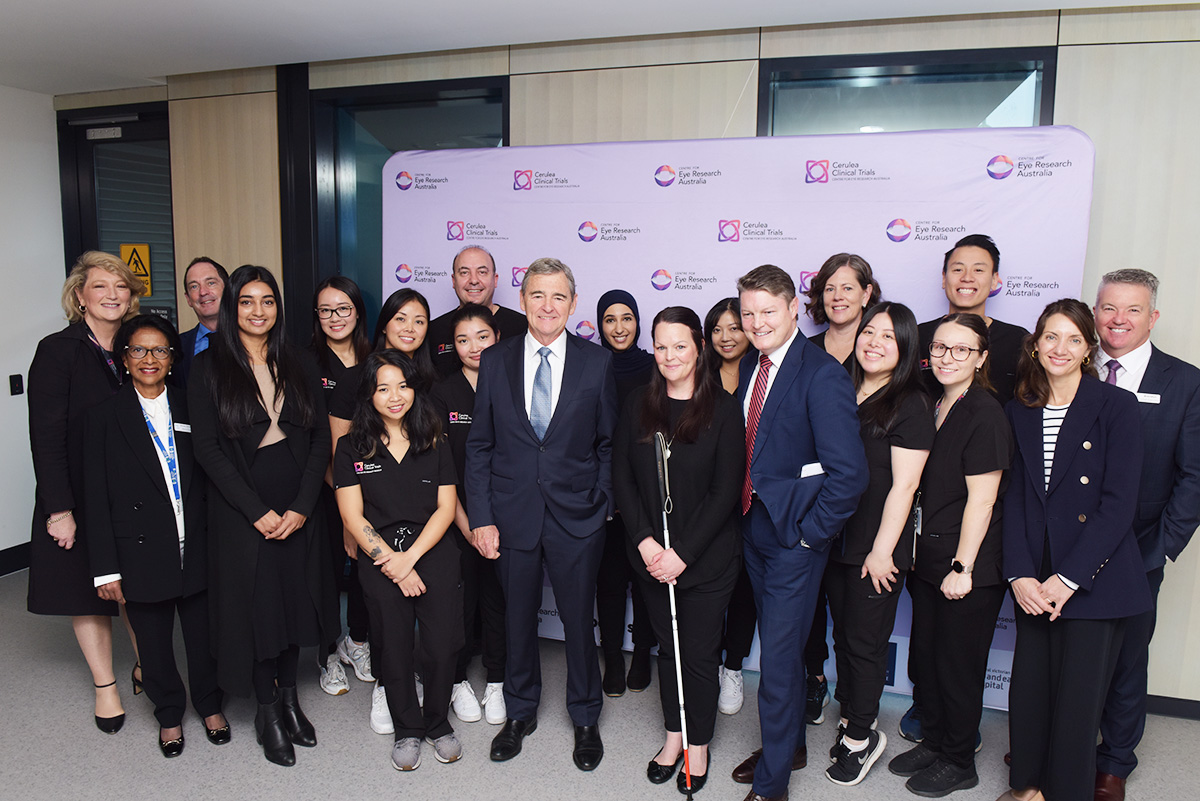
At Cerulea Clinical Trials’ second anniversary clinicians, researchers and participants came together to celebrate advances in vision care and the people who make it possible.
Cerulea Clinical Trials’ second birthday brought together the Cerulea and broader CERA community, including clinicians, coordinators, and the generous individuals who volunteer as clinical trial participants.
Their shared goal is to help develop new treatments and improve outcomes for people with eye disease.
For participant Tom Valenta, the importance of clinical trials is deeply personal.
“My mother had glaucoma very seriously and was never able to drive. For the last 10 years of her life, she was nearly blind and therefore had poor quality of life,” he says.
“Fortunately, our GP was very proactive and referred me to an ophthalmologist about 30 years ago to keep me under scrutiny, and I was ultimately diagnosed in 2011.”
After several years of treatment controlling the condition, Tom’s ophthalmologist suggested he might be eligible for a clinical trial.
Tom has now taken part in multiple trials and continues to volunteer.
“What I’ve learned over the years is that patients like me can make a difference, we can participate, add value and we can help further the cause.”
Why clinical trials matter
Cerulea Chief Medical Officer Professor Lyndell Lim says the contribution of participants like Tom is essential to advancing care.
“It’s only through research and clinical trials that we can actually change things, find new treatments, do things better, so we can help more people at earlier stages of diseases.
“When I first started medicine there were no treatments for wet age-related macular degeneration, which was the major cause of irreversible blindness here in Melbourne.
“Now we have treatments that let patients retain their vision, not only for reading but also for driving.”
Supportive experience
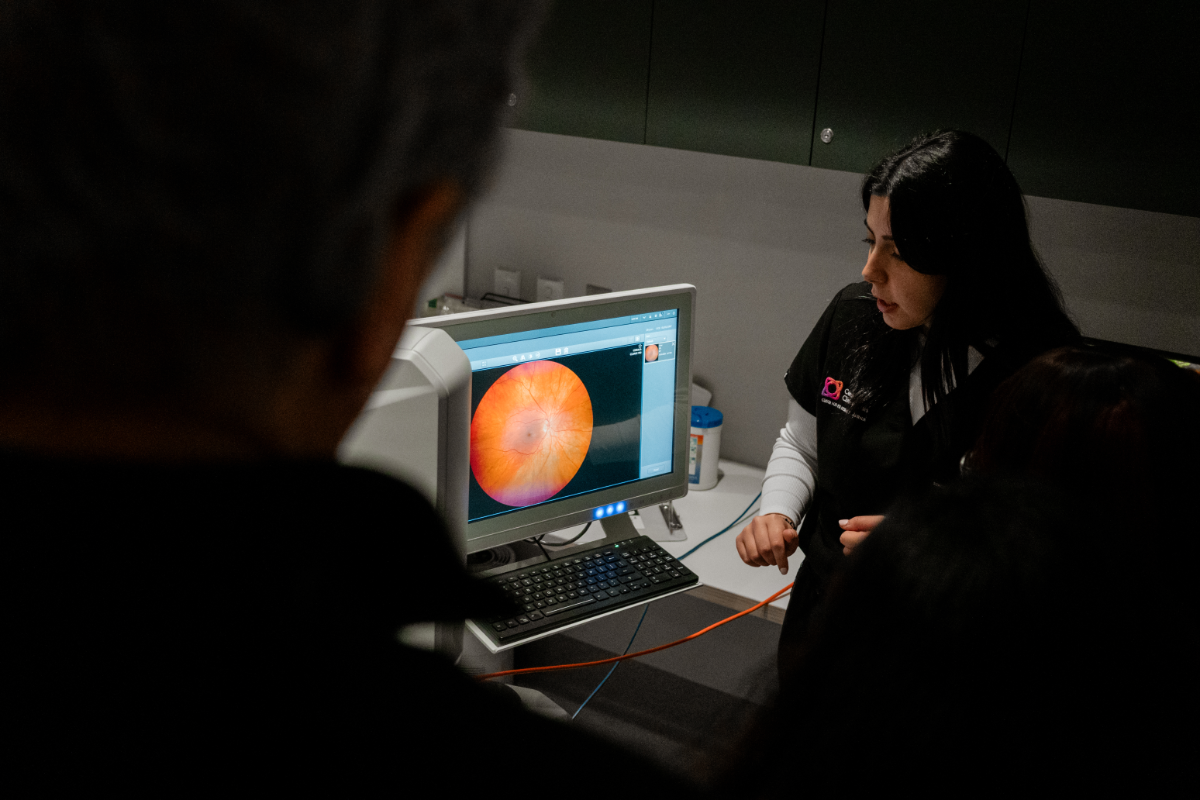
Clinical trial coordinator Marinel Tuazon says participant safety and experience are always top priority.
“Our team works hard to make participation as straightforward as possible,” she says.
“We provide clear explanations so people understand what to expect, and we can offer support such as travel and accommodation where possible.”
All clinical trials must also meet strict ethical and regulatory standards.
“Every study is reviewed and approved by an independent ethics committee before it begins,” Marinel explains.
“This ensures trials follow all laws and guidelines designed to protect participants and no study can start without that approval.”
Cerulea continuously runs trials for people with a range of conditions. Current trials are listed on the Cerulea website, where people can also register their interest in being considered for a clinical trial.
Professor Lim encourages anyone curious about participating to start a conversation.
“You can speak with your eye care provider about whether a clinical trial might be suitable for you,” she says.
“They can help connect you with our team.”